
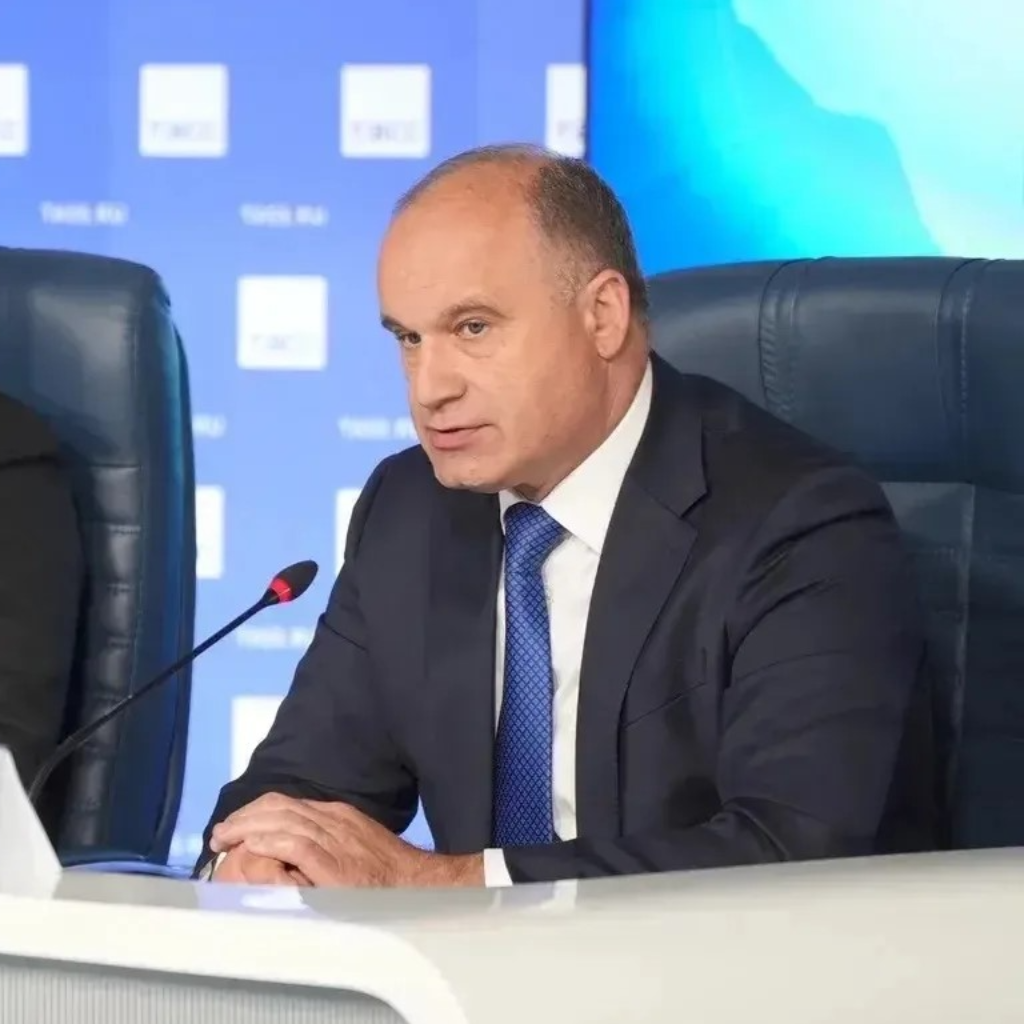
Увеличение объема производственной практики, получение рабочей профессии уже во время обучения, новые подходы к оценке знаний и усиление взаимодействия с работодателями. Ректор Ставропольского государственного аграрного университета Владимир Ситников на пресс-конференции ТАСС в Москве рассказал, какие изменения ждут студентов в рамках новой модели высшего образования и почему сегодня подготовка кадров становится одним из ключевых факторов развития агропромышленного комплекса.
В 2026 году Ставропольский государственный аграрный университет впервые начнет обучение по 36 образовательным программам, реализуемым в рамках пилотного проекта новой модели высшего образования. Изменения затронут подготовку будущих агрономов, агроинженеров, ветеринарных врачей, зоотехников, специалистов по переработке сельскохозяйственной продукции, ландшафтных архитекторов и других востребованных отраслью специалистов.
По словам ректора СтГАУ Владимира Ситникова, внедрение новой модели связано с серьезными изменениями, которые сегодня происходят в агропромышленном комплексе.
«Сегодня перед отраслью стоят задачи, связанные с обеспечением ее конкурентоспособности как в краткосрочной, так и в долгосрочной перспективе. Совершенно очевидно, что без внедрения современных технологий, научных разработок и подготовки специалистов, способных работать в новых условиях, решить эти задачи невозможно. Сегодня в отрасль активно заходят цифровые технологии, роботизированные системы, инструменты искусственного интеллекта. Во главе угла находятся вопросы селекции и генетики в растениеводстве и животноводстве. Поэтому образовательные программы должны отвечать тем вызовам, которые определяют развитие агропромышленного комплекса уже сейчас», — отметил Владимир Ситников.
Одним из главных принципов новой модели станет более тесная интеграция образовательного процесса с реальным сектором экономики. В университете увеличат объем производственной практики, а ее график будет выстроен таким образом, чтобы студенты могли участвовать в полном производственном цикле предприятий АПК.
Кроме того, уже на первых курсах обучающиеся смогут получить рабочую профессию по выбору. При проведении зачетов и экзаменов особое внимание будет уделяться решению ситуационных задач и производственных кейсов. Еще одним направлением изменений станет совершенствование подготовки научных кадров. В программах аспирантуры увеличится объем взаимодействия с научными руководителями, а сами аспиранты получат больше возможностей для развития педагогических компетенций.
«Одна из ключевых задач новой модели высшего образования — сократить дистанцию между образовательным процессом и производством. Мы будем делать это через увеличение объема практической подготовки, участие работодателей в образовательном процессе, развитие профессионального мастерства преподавателей и внедрение результатов научно-технологических проектов в учебный процесс», — подчеркнул ректор СтГАУ.
Отдельное внимание в университете уделяют развитию профессорско-преподавательского состава. Для преподавателей фундаментальных дисциплин предусмотрены программы повышения квалификации на базе ведущих вузов и научно-исследовательских организаций, а преподаватели профессионального цикла проходят стажировки на предприятиях АПК и участвуют в реализации научно-технологических проектов.
В СтГАУ отмечают, что новая модель высшего образования направлена на более тесную интеграцию образования, науки и производства. Такой подход позволит учитывать запросы работодателей, требования технологического развития отрасли и современные научные достижения уже на этапе подготовки будущих специалистов.