
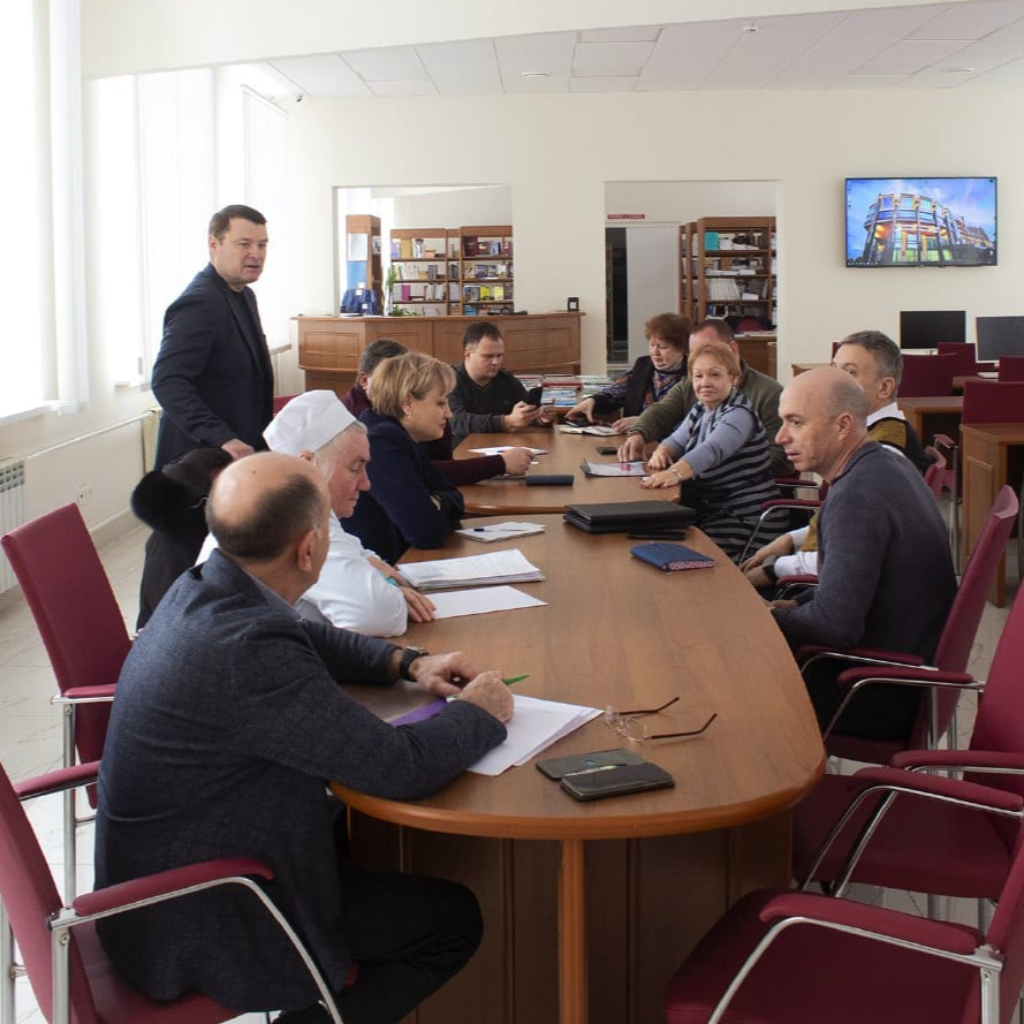
В Институте ветеринарии и биотехнологий прошла встреча с представителями группы компаний «ВИК», Группы агропредприятий «Ресурс» с научно-педагогическими работниками СтГАУ.
С проблемой кокцидиоза рано или поздно могут столкнуться практически все, кто занимается выращиванием птицы: и крупные птицеводческие комплексы, и фермерские хозяйства. Экономический ущерб от этой инфекции в мировом масштабе превышает $1 млрд.
Причина кокцидиоза — заражение одноклеточным паразитом эймерией. Кокцидиоз у кур способны вызвать девять видов эймерий. Бройлеры наиболее подвержены влиянию пяти из них: E. acervuline, E. maxima, E. mitis, E. praecox, E. tenella.
Особенно часто от кокцидиоза страдают молодые бройлеры в возрасте до шести недель. Заражение кур происходит при проникновении в организм ооцист — свободно живущих во внешней среде форм паразита, которые обладают очень высокой устойчивостью к физическим и химическим методам дезинфекции. Заражение может произойти как в инкубаторе, так и на ферме, так как ооцисты кокцидий распространены практически повсеместно. Для того чтобы стать опасными, им не нужен промежуточный организм — они созревают и становятся способными к заражению непосредственно во внешней среде, причем происходит это очень быстро.
Источником заражения может стать все, что окружает птицу: корм, вода, подстилка, обитающие на ферме насекомые и грызуны. Также возбудитель переносится с инвентарем, на обуви, одежде и руках обслуживающего персонала и т. д.
В случае развития клинического кокцидиоза (то есть появления всех основных симптомов болезни и поражения органов-мишеней) падеж поголовья доходит до 25-40%. И даже выжившие птицы начинают отставать в развитии, хуже набирают вес (среднесуточный привес снижается на 10%) и становятся более восприимчивыми к другим инфекциям. В результате однородность стада снижается, сроки откорма увеличиваются, растут затраты на корма, а качество тушек при забое ухудшается.
В ходе обсуждения были представлены актуальные научные материалы в области кокцидиоза, в продолжение договоренностей о передаче специалистам СтГАУ наработок по организации и осуществлению теста in vivo, определяющего чувствительность полевых изолятов кокцидий к кокцидиостатикам различных групп.
Кроме основной цели также обсуждались диагностические и образовательные возможности в области обеспечения генетически обусловленной жизнеспособности и здоровья кур мясной продуктивности промышленных кроссов, которые возможны при совместной научно-производственной работе с ГАП «Ресурс», сочетание конкретных технологических приемов содержания птицы с ротацией нового поколения кокцидиостатиков, детализация схемы проведения опыта на базе предприятия с использованием возможностей лабораторий Института ветеринарии и биотехнологий.
В совещании приняли участие сотрудники Института ветеринарии и биотехнологий во главе с директором, доктором биологических наук, профессором Валентином Скрипкиным. Со стороны ГК «ВИК» присутствовали: руководитель направления департамента птицеводства Сергей Орлов, заместитель генерального директора по ветеринарии Светлана Дорофеева, заместитель директора департамента птицеводства по работе с ключевыми клиентами Владимир Балыкин. ГАП «Ресурс» представили главный ветеринарный врач ООО «Ставропольский бройлер» Александр Шпак и директор по направлению выращивания ООО «Ставропольский бройлер» Роман Ефремов.


