
The new technology will make genetic control of animals significantly more accessible, accelerate the improvement of breeding stock, and increase the efficiency of Russian dairy farming.
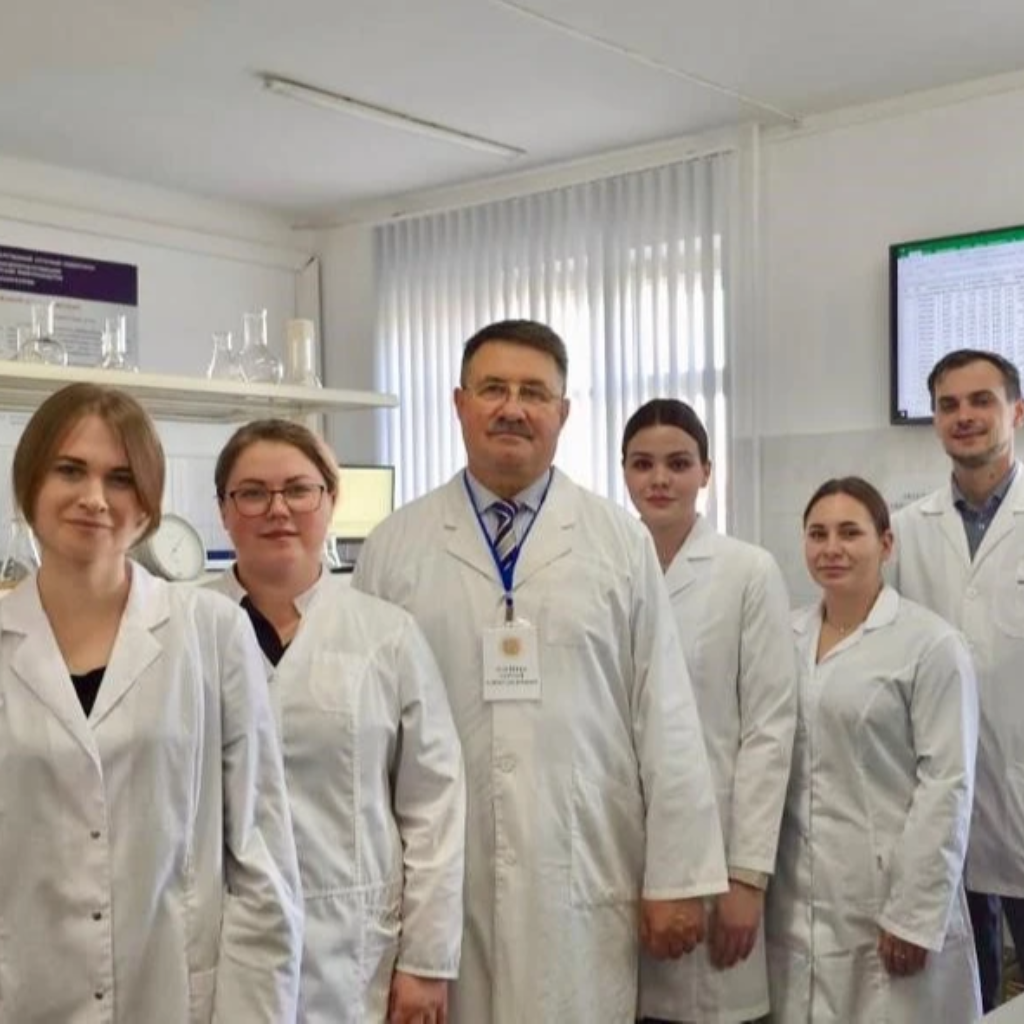
Scientists at Stavropol State Agrarian University have developed multiplex test systems for detecting monogenic diseases in Holstein and Jersey cattle. A group of researchers is working on the project under the leadership of Doctor of Agricultural Sciences, Professor Sergey Oleinik, as part of the «Priority 2030» program.
The development is of particular importance for breeding work. Monogenic diseases can negatively affect herd reproduction, reduce productivity, and lead to the spread of undesirable mutations. Systematic genetic monitoring makes it possible to identify carrier animals in a timely manner, make informed breeding decisions, and reduce the risks of transmitting hereditary diseases to subsequent generations.
The distinctive feature of the StSAU technology lies in its two‑stage research approach. In the first stage, the test system determines whether an animal is a carrier of a genetic disease. If carrier status is confirmed, the second stage allows determining whether the disease is in a recessive or dominant form. This algorithm makes diagnostics more rational and cost‑effective.
According to the developers, using multiplex test systems can reduce the cost of genetic testing by at least 2–3 times. When using individual tests, monitoring all necessary diseases can cost 5–7 thousand rubles for the Holstein breed and about 2 thousand rubles for the Jersey breed. The new solution makes such tests more affordable for farms and breeding enterprises.
According to the university’s scientists, large‑scale implementation of the technology will make it possible to almost completely restore the health of the breeding stock of Holstein and Jersey cattle within 4–5 years. This could become an important step for the development of domestic breeding, improving the quality of dairy herds and strengthening the country’s food security.
Currently, multiplex test systems have already been manufactured and are undergoing laboratory testing with the support of the university’s industrial partners — the Stavropol Anti‑Plague Institute, the Agroplem laboratory cluster and the Zalesye agro‑industrial holding. Production trials are planned until the end of 2026, after which the developers will proceed with the official verification and approval of the methods. At the same time, large‑scale implementation of the system is planned to be carried out in parallel with the verification procedure.
«Genetics is becoming one of the most important tools for improving the efficiency of breeding livestock today. And for us, it is fundamentally important not just to study these processes, but to create our own solutions that meet the specific needs of the agro‑industrial complex and help ensure the country’s food security, ” said Vladimir Sitnikov, rector of StSAU.
The Stavropol State Agrarian University continues to develop scientific research in the fields of veterinary medicine, zootechnics, genetics, and the breeding of farm animals. The creation of multiplex test systems confirms StSAU’s contribution to the technological development of the domestic agro‑industrial complex and the development of modern solutions to improve the efficiency of breeding livestock farming.