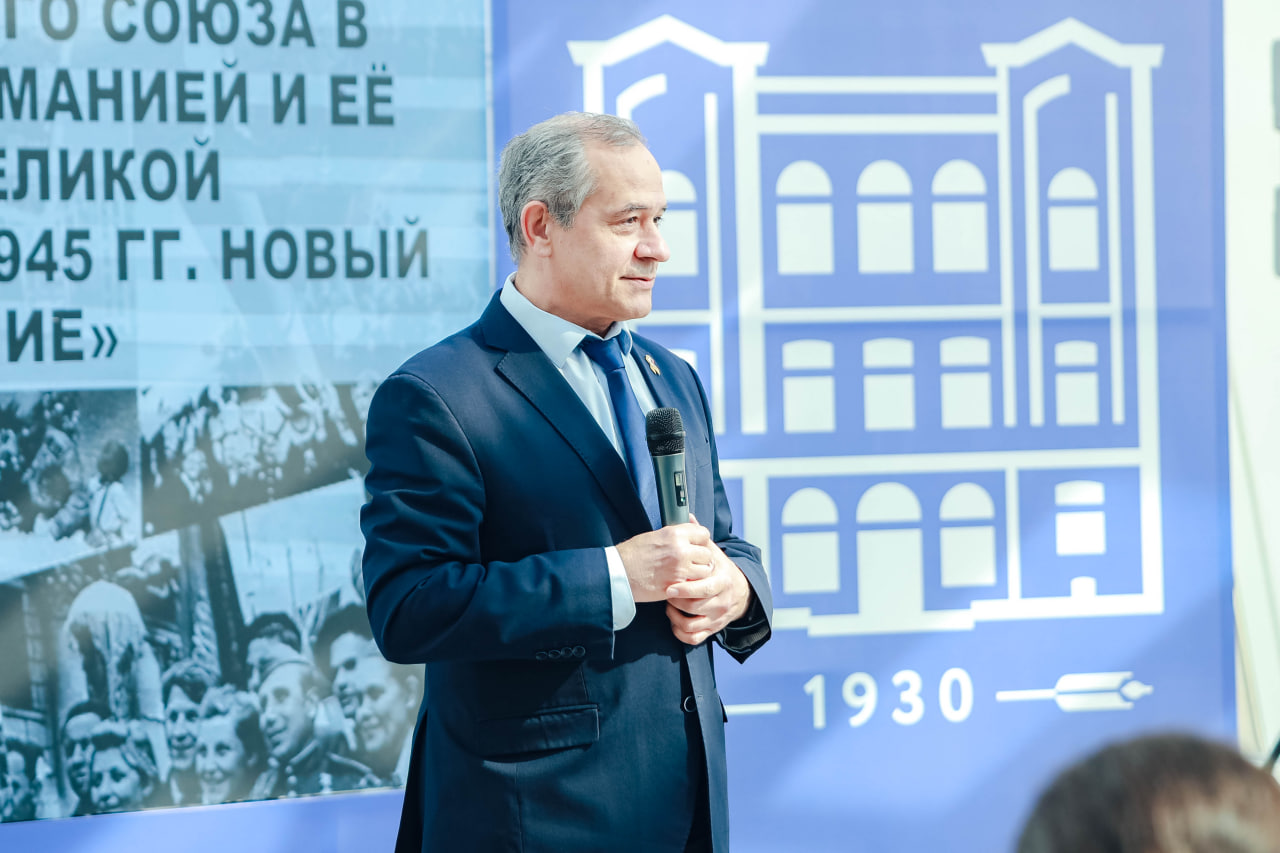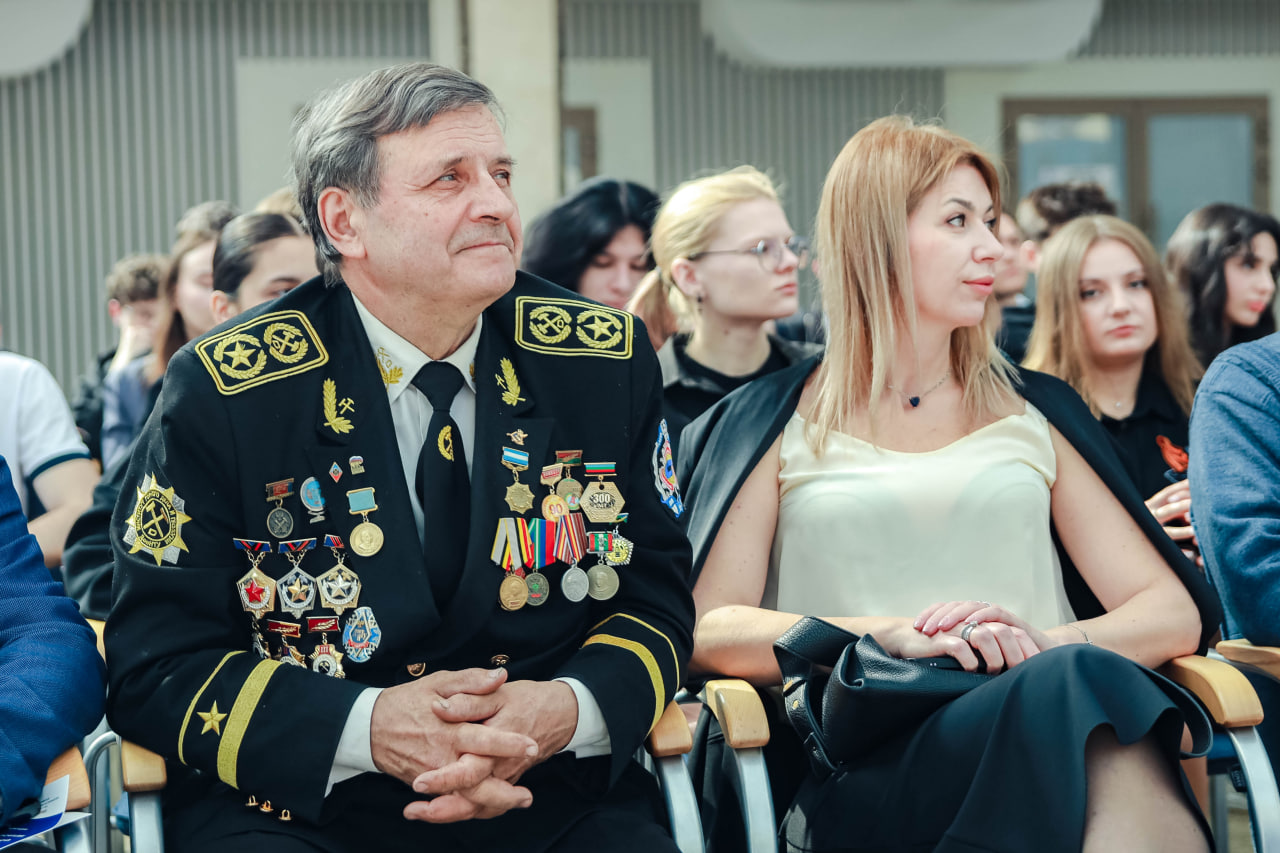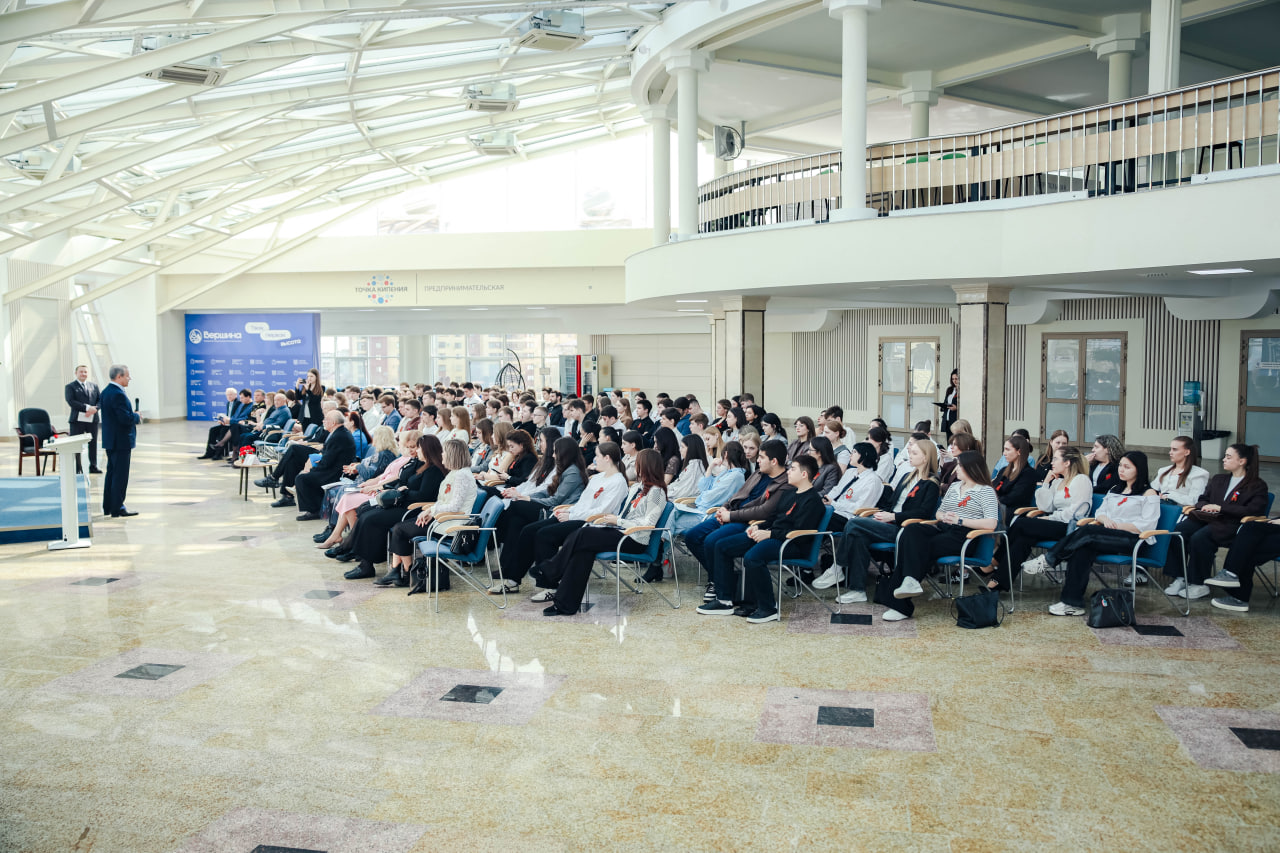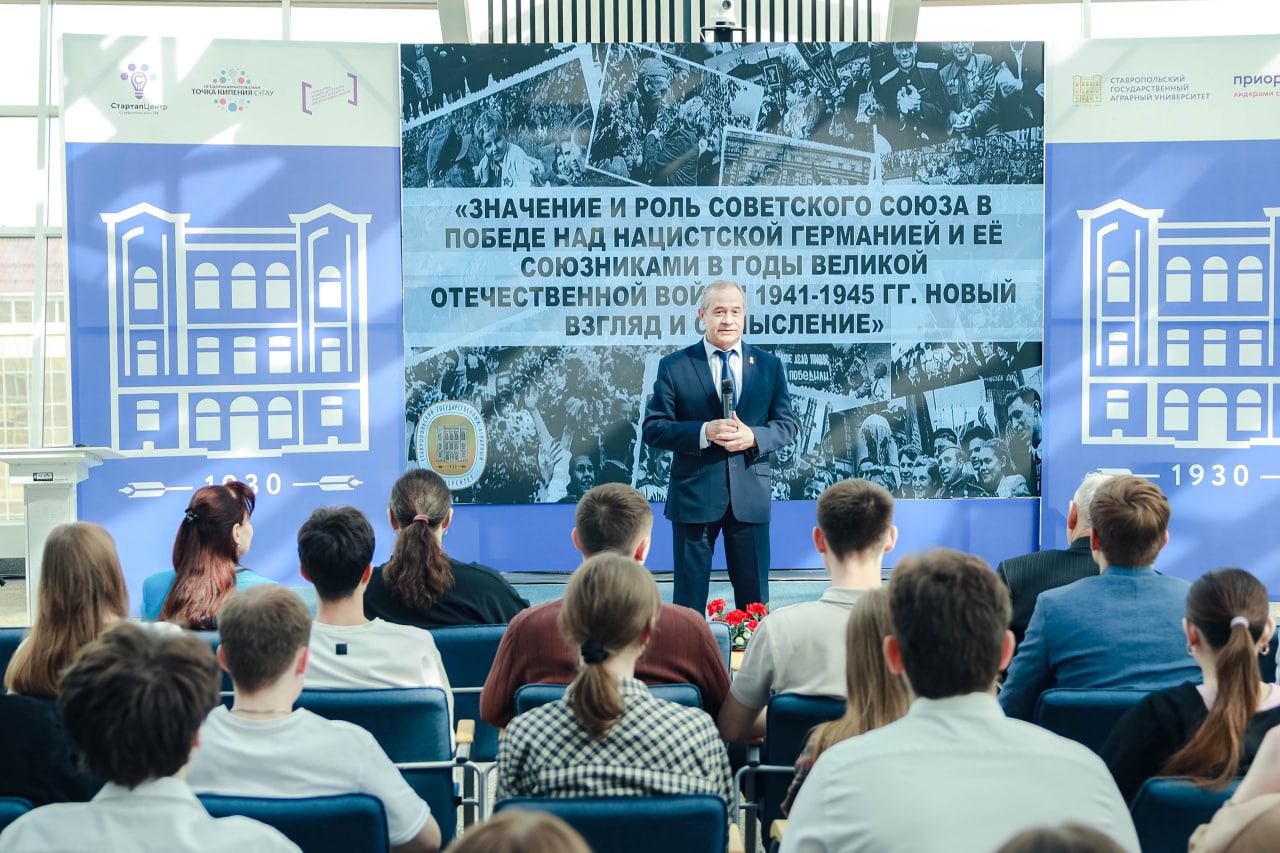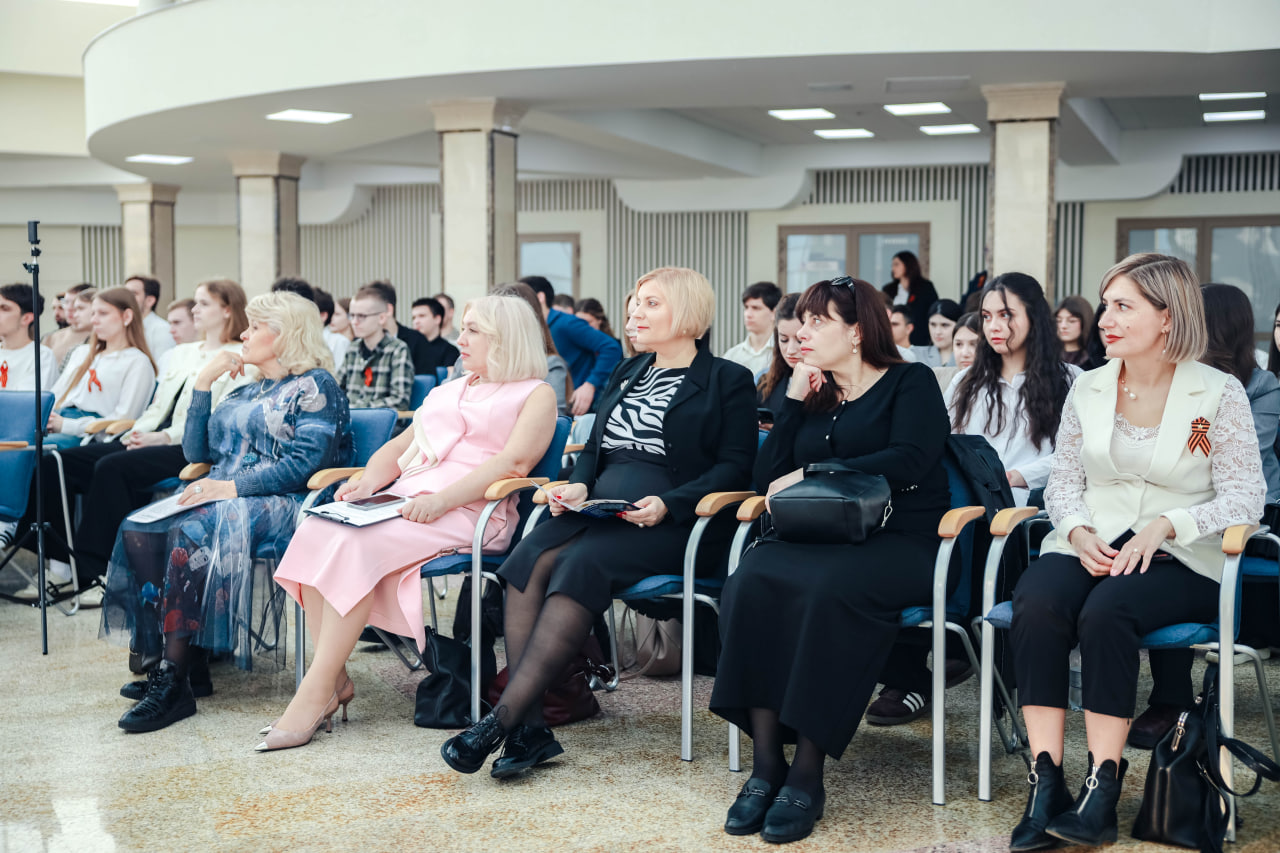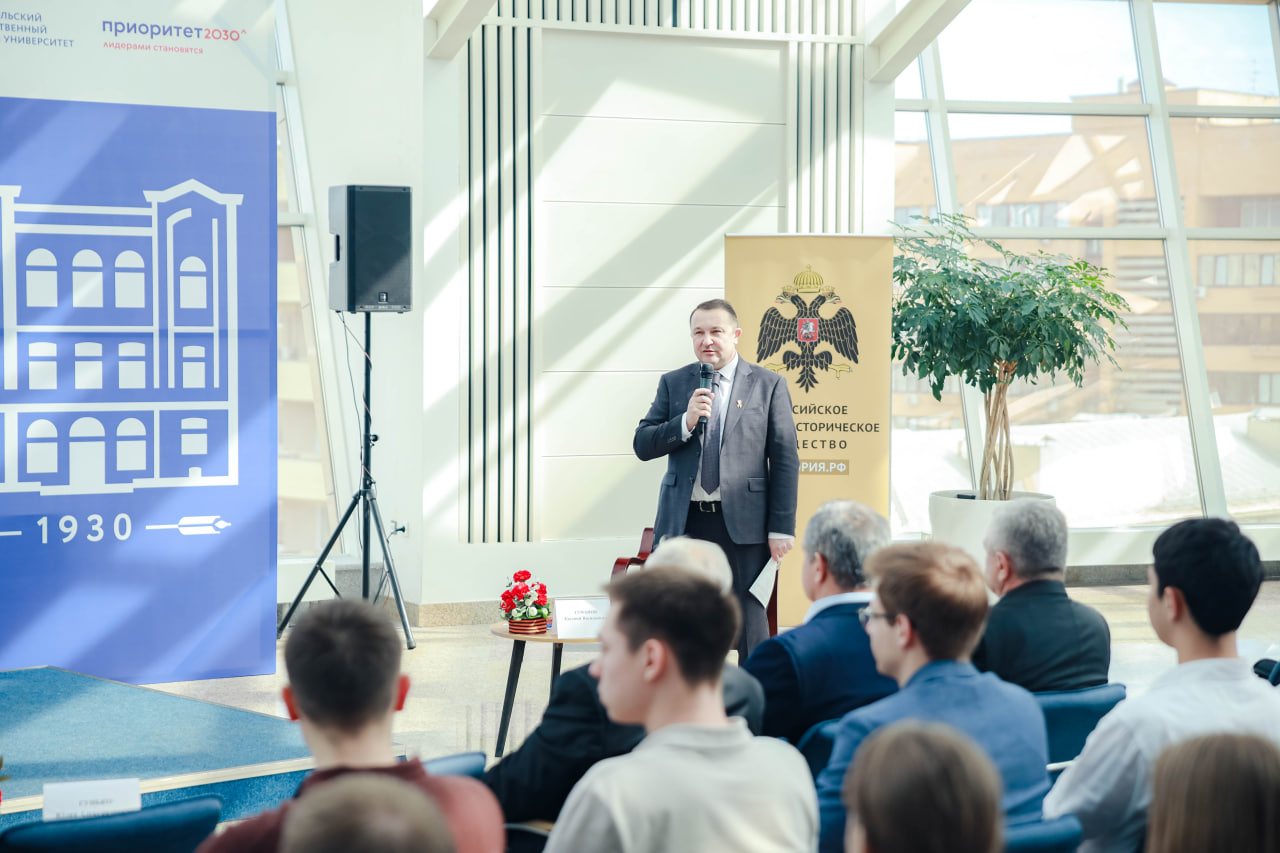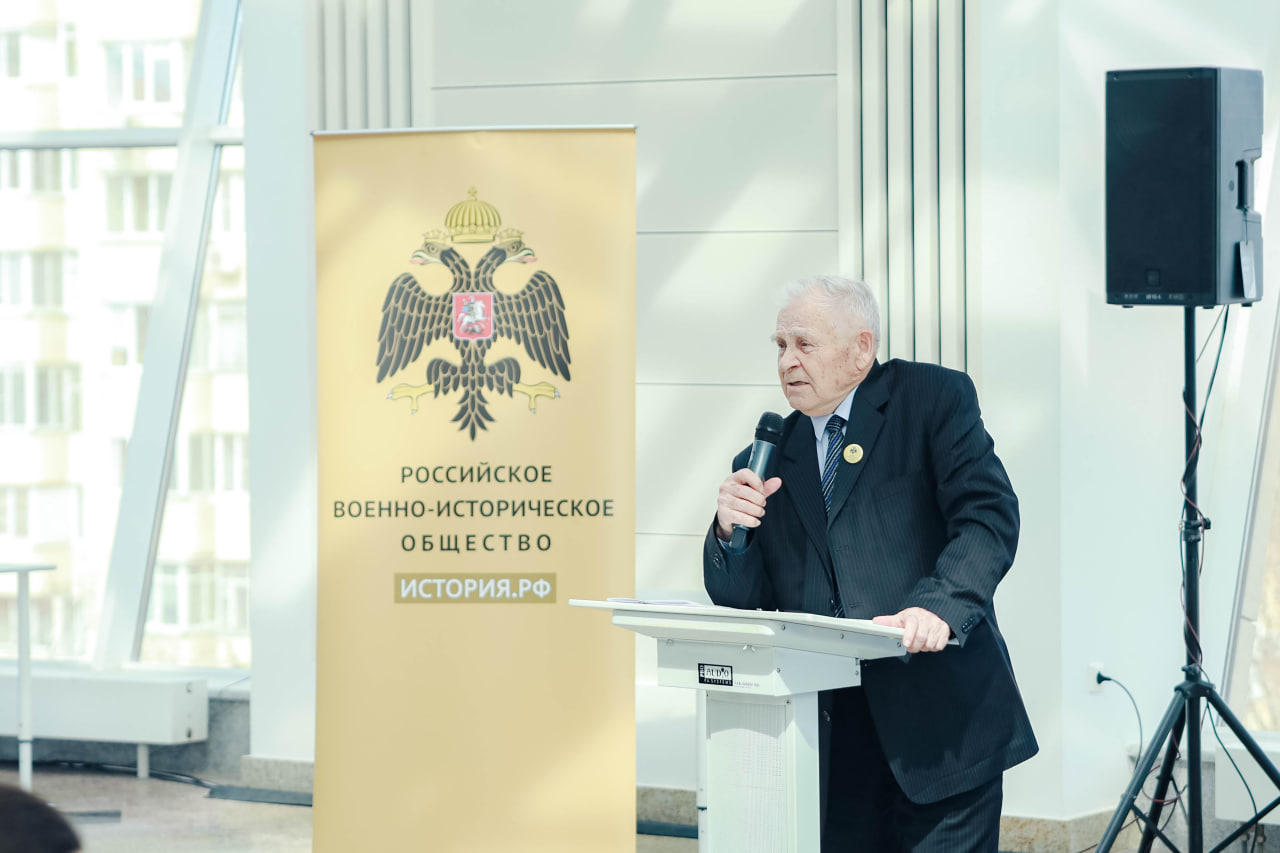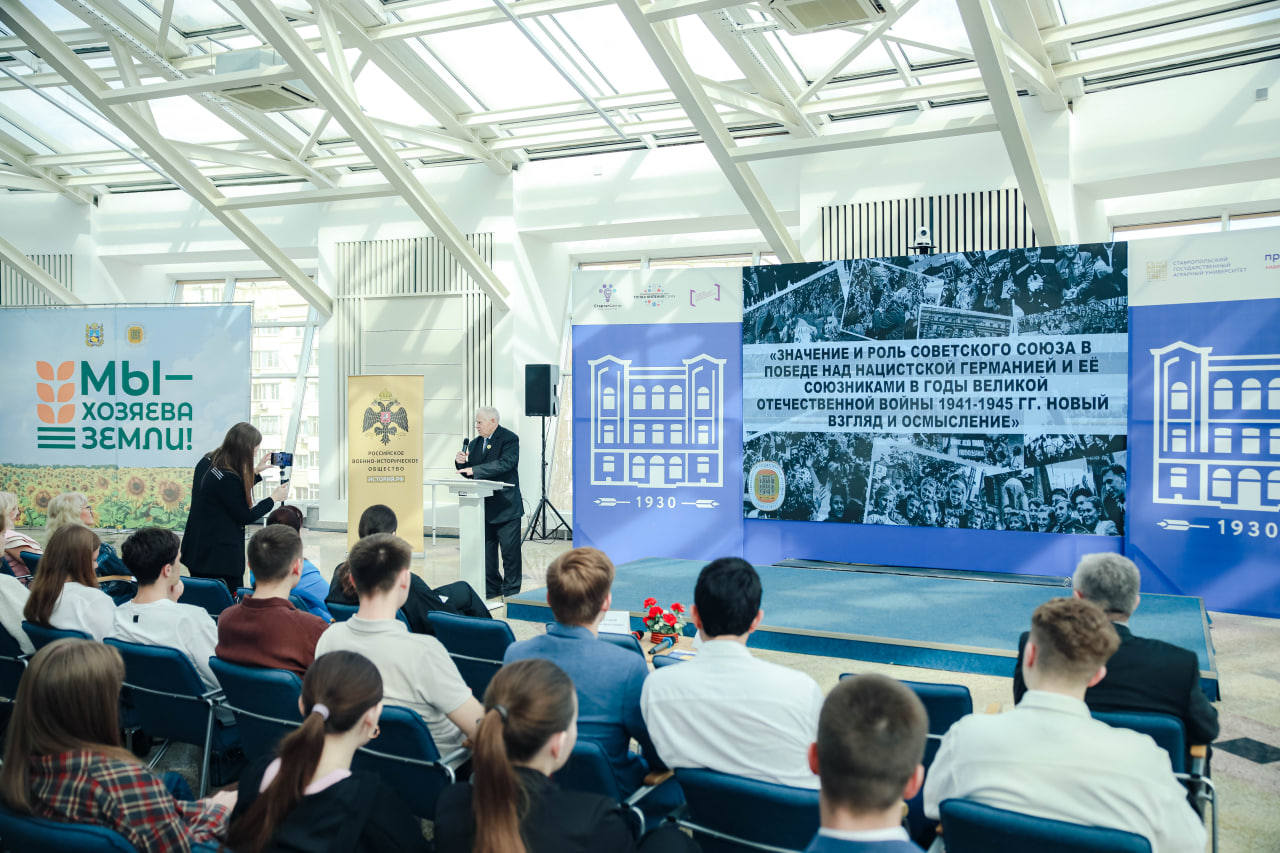
На площадке Ставропольского государственного аграрного университета открылась Международная научно-практическая конференция «Историческое значение и роль Советского Союза в Победе над нацистской Германией и её союзниками в годы Великой Отечественной войны 1941–1945 гг. Новый взгляд и осмысление», приуроченная к 81-й годовщине Победы в Великой Отечественной войне. Её организаторами выступили Ставропольский ГАУ и Региональное отделение Российского военно-исторического общества в Ставропольском крае.
Конференция объединила учёных, исследователей, общественных деятелей и представителей молодёжного научного сообщества из России и зарубежных стран. Среди участников — историки, правоведы, педагоги и культурологи из Ставрополя, Краснодара, Ростова-на-Дону, Нижнего Новгорода, Донецка, Махачкалы, Таганрога, а также из Чешской Республики, Республики Южная Осетия и Республики Абхазия. Председателем оргкомитета выступает ректор СтГАУ Владимир Николаевич Ситников, сопредседателем — депутат Думы Ставропольского края, кавалер трёх орденов Мужества, председатель РО РВИО СК Сергей Арнольдович Шевелев.
Первый день конференции посвящён пленарному заседанию, в ходе которого ведущие учёные представили фундаментальные доклады по ключевым проблемам истории Великой Отечественной войны и сохранения исторической памяти. Участники рассмотрели широкий спектр тем: от роли сельского хозяйства Северного Кавказа в обеспечении фронта и публикации ранее неизвестных архивных документов военного времени до анализа современных нарративов о Второй мировой войне в школьных курсах истории Украины и проблемы формирования украинского национализма. Особое внимание — вопросам восстановления промышленного и энергетического потенциала Донбасса в годы войны, правовой оценке коллаборационизма на оккупированных территориях, а также расследованию преступлений немецко-фашистских захватчиков на Ставрополье. Отдельные доклады посвящены художественному осмыслению событий Специальной военной операции, историко-биографическому анализу боевого пути женщин-героинь и формированию культуры исторической памяти в современном образовательном пространстве.
Второй день работы конференции включает серию тематических круглых столов. Так, круглый стол «Суровые испытания и героизм советского народа в борьбе с немецко-фашистскими захватчиками в годы Великой Отечественной войны» объединил исследователей, которые представят доклады о партизанском движении на Кубани и Ставрополье, деятельности молодёжного антифашистского подполья на Северном Кавказе, единстве фронта и тыла по материалам Дагестана, боевых действиях ВВС РККА в Северной Таврии, борьбе с уголовной преступностью в период битвы за Кавказ, роли войск НКВД в кавказских сражениях, психологии выживания гражданского населения в условиях войны, а также о демографическом поведении жителей осаждённого Ленинграда. Важное место в программе секции занимают вопросы противодействия фальсификации истории — борьба с советскими памятниками в рамках политики декоммунизации в Европе, анализ западной историографии нацистских преступлений на территории СССР, новые задачи исторического просвещения молодёжи. Круглый стол «Подвиг народа (1941–1945 гг.) в памяти поколений» позволил студентам представить собственные исследования и включиться в научную дискуссию о значении Великой Победы.
Проведение подобных международных научных форумов имеет исключительное значение в условиях, когда попытки пересмотра итогов Второй мировой войны и искажения исторической правды о решающей роли Советского Союза в разгроме нацизма приобретают всё более масштабный характер. Конференция на площадке Ставропольского ГАУ формирует пространство для объективного научного диалога, основанного на документальных источниках и архивных материалах, способствует укреплению международного сотрудничества историков и выполняет важнейшую миссию патриотического воспитания молодого поколения. Масштабная география участников — от Нижнего Новгорода до Сухуми и от Донецка до Остравы — свидетельствует о высоком авторитете конференции и подтверждает, что сохранение исторической памяти о подвиге советского народа остаётся общим делом учёных и граждан разных стран.